
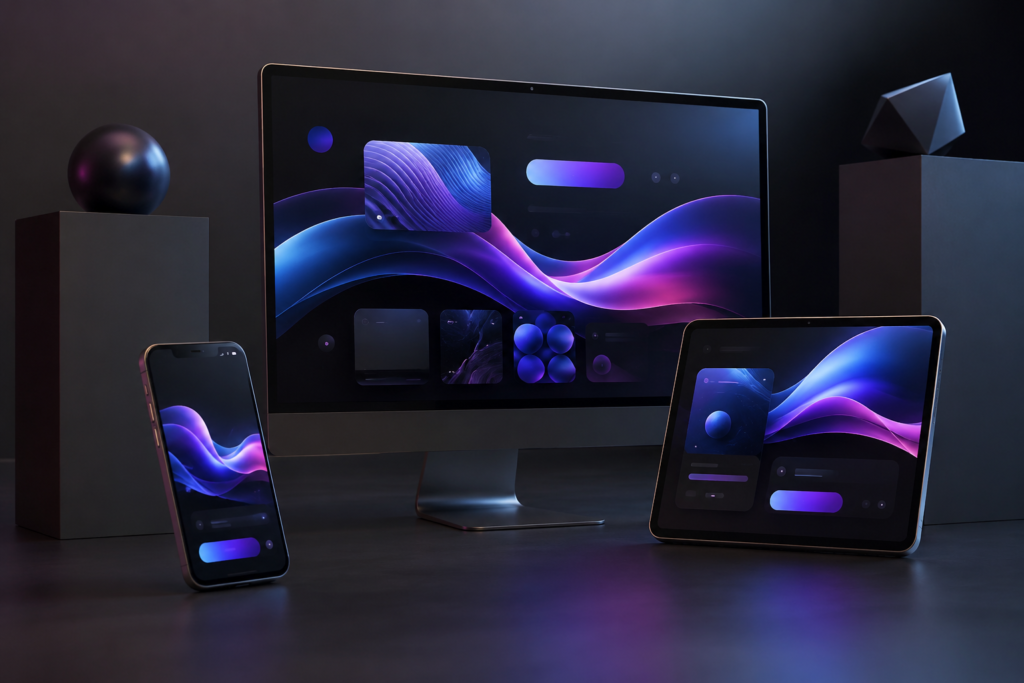
Website design continues to evolve every year as user behavior, technology, and digital expectations change. In 2026, businesses are focusing more on creating websites that are not only visually attractive but also fast, user-friendly, and conversion-focused.
Modern users expect smooth browsing experiences, mobile responsiveness, clean layouts, and engaging content. Businesses that follow outdated design practices often struggle to build trust and retain visitors.
A modern website is no longer just about appearance — it directly affects branding, SEO, customer engagement, and sales.
In this blog, we will explore the best website design trends businesses should follow in 2026 to stay competitive and improve digital growth.
Minimal and Clean Design
Minimal design continues to dominate modern websites because users prefer simplicity and clarity.
Websites with too many design elements, excessive animations, or cluttered layouts often feel overwhelming. Clean designs help users focus on important information without distractions.
Modern minimal websites focus on:
- Proper spacing
- Simple navigation
- Clear typography
- Balanced layouts
- Better readability
A clean interface creates a more professional appearance and improves overall user experience.
You can also explore common design mistakes businesses should avoid in our article on
Top Website Design Mistakes That Kill Your Conversions.
Mobile-First Design
In 2026, most website traffic comes from smartphones. Because of this, businesses now prioritize mobile-first design strategies.
Instead of designing for desktop first, modern websites are built with mobile usability as the primary focus.
Mobile-first websites offer:
- Better responsiveness
- Faster loading speed
- Easier navigation
- Improved readability
A mobile-friendly experience has become essential for both SEO and customer satisfaction.
Fast and Performance-Focused Websites
Website speed has become one of the biggest priorities for modern businesses.
Users expect websites to load quickly, and slow performance often increases bounce rates and reduces conversions.
Modern design trends now focus heavily on performance optimization alongside visual appearance.
Businesses improve loading speed using tools like WP Rocket and ShortPixel to optimize website performance and create smoother browsing experiences.
Interactive and User-Focused Experiences
Modern websites are becoming more interactive while still maintaining simplicity.
Businesses now focus on creating engaging user experiences through:
- Smooth transitions
- Interactive elements
- Scroll animations
- Hover effects
- Personalized experiences
However, modern design trends avoid excessive animations that slow down websites or distract users.
The goal is to improve engagement while maintaining clean and smooth usability.
AI-Powered Personalization
Personalization is becoming an important trend in website design.
Modern websites increasingly use AI-driven experiences to provide ease.
These features help businesses create more engaging and customized experiences for visitors.
Businesses using modern personalization strategies often see improved customer satisfaction and higher engagement rates.
Conclusion
Website design trends in 2026 focus heavily on simplicity, speed, usability, and customer experience.
Modern businesses need websites that are mobile-friendly, performance-focused, SEO-optimized, and visually professional. Clean layouts, better readability, interactive experiences, and strong branding all contribute to stronger engagement and conversions.
Want a modern website that follows the latest design trends and improves business growth?
Clevvers helps businesses create fast, SEO-friendly, mobile-responsive websites designed for better branding, engagement, and conversions.
Visit Clevvers to get started.
Frequently Asked Questions
Mobile-first and performance-focused website design are among the biggest trends in 2026.
Minimal design improves readability, usability, and user focus by reducing distractions.
Yes. Fast-loading websites improve SEO, user experience, and conversions.
Most users browse websites through smartphones, making mobile usability essential.
SEO-friendly design improves website visibility, usability, and search engine performance.